
From ambition to roadmap: Heineken's circular transition
Heineken wanted to go 100% circular. The challenge was turning that ambition into a sequenced, governed transition plan that a 17-person multidisciplinary team could own.
Key result
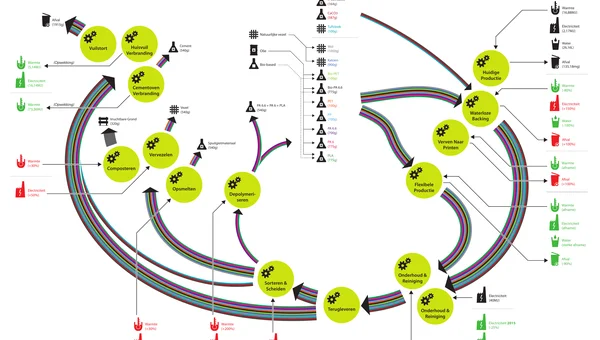
Company-wide roadmap to 100% circularity with prioritized actions through 2030
In 2018, Heineken Nederland set a goal that most beverage companies treat as a long-term aspiration: 100% circularity and energy-neutral operations. The goal itself was clear. What was missing was the path: a sequenced, governed, operationally grounded plan that could move the entire organization from ambition to execution. That is a different kind of problem than setting a target. It requires understanding the system that produces the waste, the energy use, and the material flows, then designing interventions that change the system rather than treating its symptoms.
Heineken's leadership understood that circularity is not a procurement initiative. It touches packaging design, supplier relationships, logistics, energy sourcing, water management, waste processing, and consumer behavior. Changing any one of these in isolation creates ripple effects across the others. A circular transition, done well, is a full-system redesign. Done poorly, it is a collection of pilot projects that never scale.
The three-day intensive
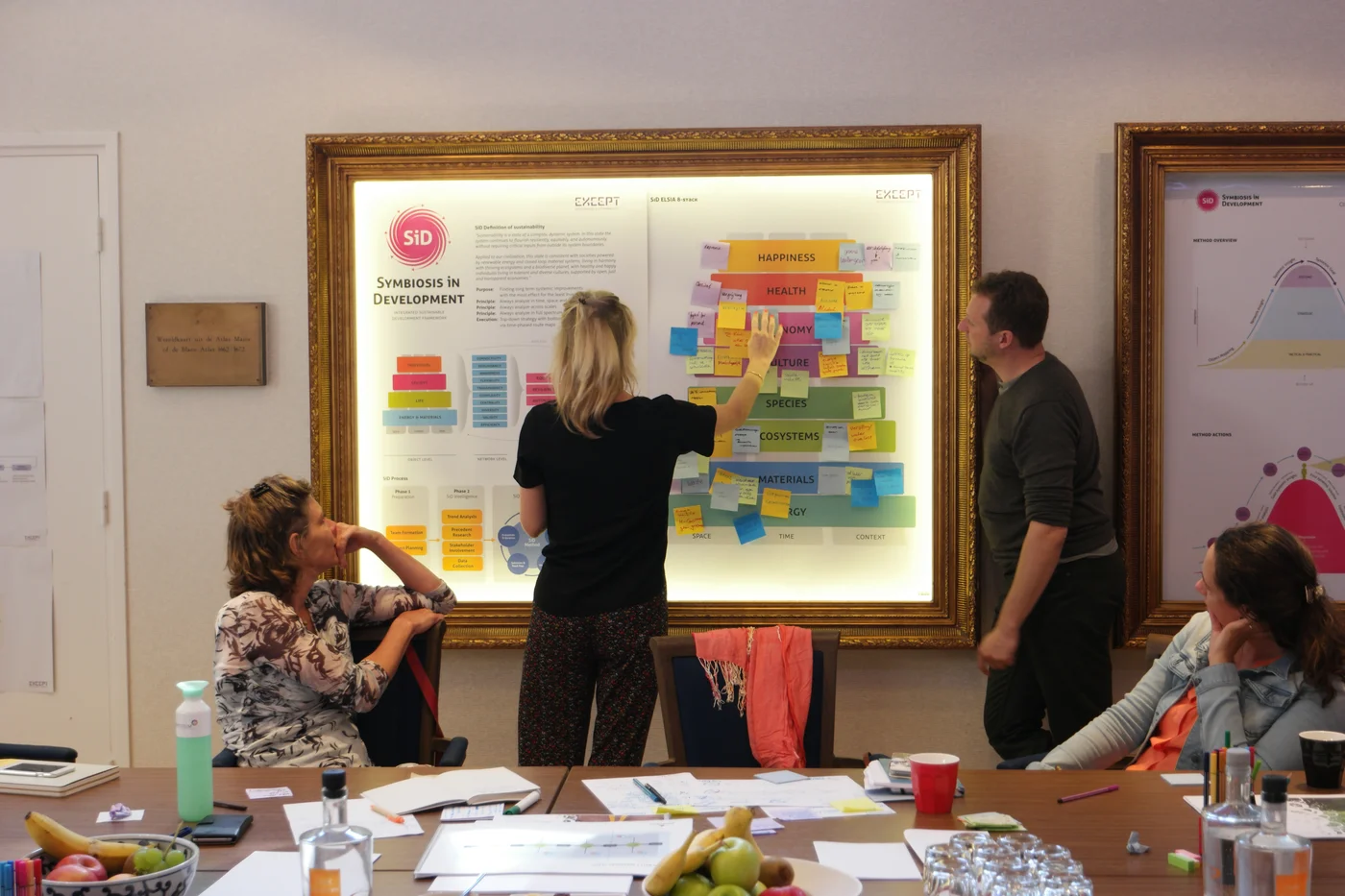
A multidisciplinary team of 17 people assembled from Heineken Nederland (HNL), Heineken Nederland Supply (HNS), and Except's sustainability practice. The team included procurement specialists, operations managers, packaging engineers, logistics planners, and sustainability leads. Their combined knowledge covered every material and energy flow in Heineken's Dutch operations.
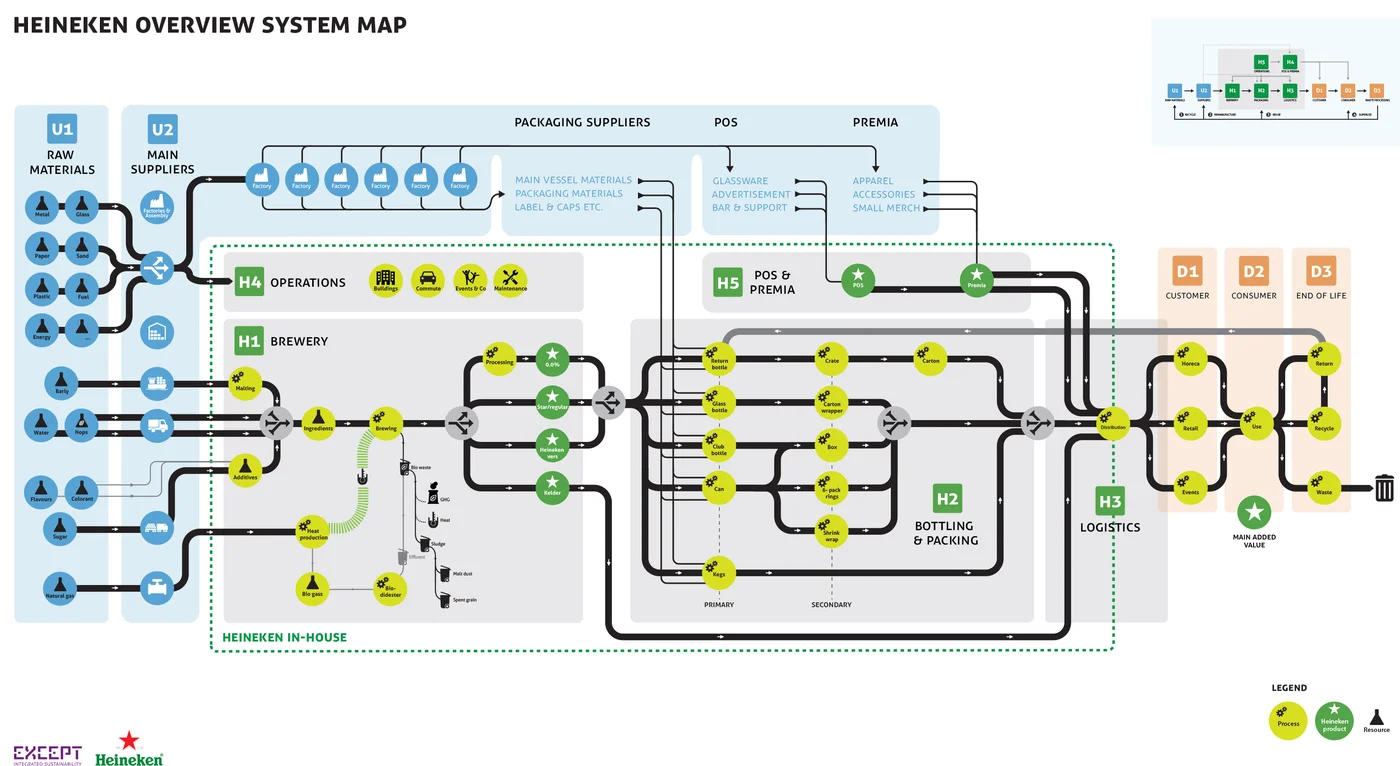
Over three days, using the Symbiosis in Development (SiD) framework, the team mapped the complete system of material flows, energy inputs, waste outputs, and governance structures that defined Heineken's current operations. The mapping was not abstract. Each flow was quantified where data existed, estimated where it did not, and connected to the organizational decisions that governed it.
The SiD framework structured the analysis around a core question: where in this system does a single change produce the largest cascade of positive effects? This is the leverage point principle. In a system as interconnected as a beverage company's operations, not all interventions are equal. Some changes require enormous effort and produce modest results. Others require modest effort and reorganize entire value chains.
Sequencing decisions
The output of the three-day session was not a wish list. It was a prioritized roadmap with dependencies, timelines, governance assignments, and trigger conditions. The team identified which changes needed to happen first because other changes depended on them, which could proceed in parallel, and which required external partnerships or regulatory changes before they became feasible.
Sequencing is where most circular economy programs fail. Organizations identify dozens of opportunities and launch them simultaneously, overwhelming implementation capacity and creating internal competition for resources. The Heineken roadmap deliberately constrained the number of active initiatives at any given time, focusing organizational energy on the interventions with the highest systemic leverage.
The roadmap addressed packaging first, because packaging generates the most visible waste stream and faces the most immediate regulatory pressure from EU single-use plastics legislation. But the packaging strategy was designed to create infrastructure, reverse logistics networks, material recovery partnerships, and supplier specifications, that subsequent initiatives in other domains could use.
The framing of the challenge determines the quality of the solution. When you frame circularity as a waste management problem, you get waste management solutions. When you frame it as a system design problem, you get systemic solutions.Ben Roemgens, DNV
Governance that adapts
A roadmap is only as durable as the governance structure that maintains it. The Heineken 100% Circular program established clear ownership for each initiative, with named individuals responsible for milestones, budgets, and reporting. But it also built in adaptation mechanisms: quarterly reviews that assessed progress against the roadmap and adjusted priorities based on what the organization had learned in the intervening period.
This is a critical design choice. Complex systems produce surprises. A rigid plan that assumes perfect foresight will break when reality diverges from the forecast. An adaptive plan that specifies the decision rules for adjustment maintains direction while accommodating uncertainty. The governance structure specified trigger thresholds: if a particular metric moved beyond a defined range, the responsible team had pre-authorized latitude to adjust their approach without escalating to senior leadership.
Beyond materials
The program extended beyond material circularity. The roadmap included energy neutrality through renewable energy procurement and on-site generation, water stewardship through closed-loop systems at brewing facilities, and biodiversity targets connected to Heineken's agricultural supply chain. Each of these domains was mapped as part of the same system, because in practice they are connected: energy choices affect material processing options, water management affects waste treatment capacity, and agricultural practices affect both.
The three-day intensive also sparked more than a dozen sub-projects. Festival waste management, promotional material redesign, supplier engagement programs: each emerged from the system mapping as a specific leverage point that could be addressed with a dedicated team and budget. The program became a portfolio of interconnected initiatives rather than a single monolithic project.
Five years after the initial workshop, the Heineken 100% Circular program continues to guide the company's sustainability strategy in the Netherlands. The roadmap has been revised multiple times as the organization learns, but the structure, the governance model, and the system perspective remain. That persistence is the clearest indicator that the framing was right.
More case studies

Global Disruption and Trends Report: Vietnam 2045
Carpet Sector: Circular Roadmap
Ready to map your system?
Every case begins with a conversation about the system you operate in and the leverage points within it.
Book an introduction