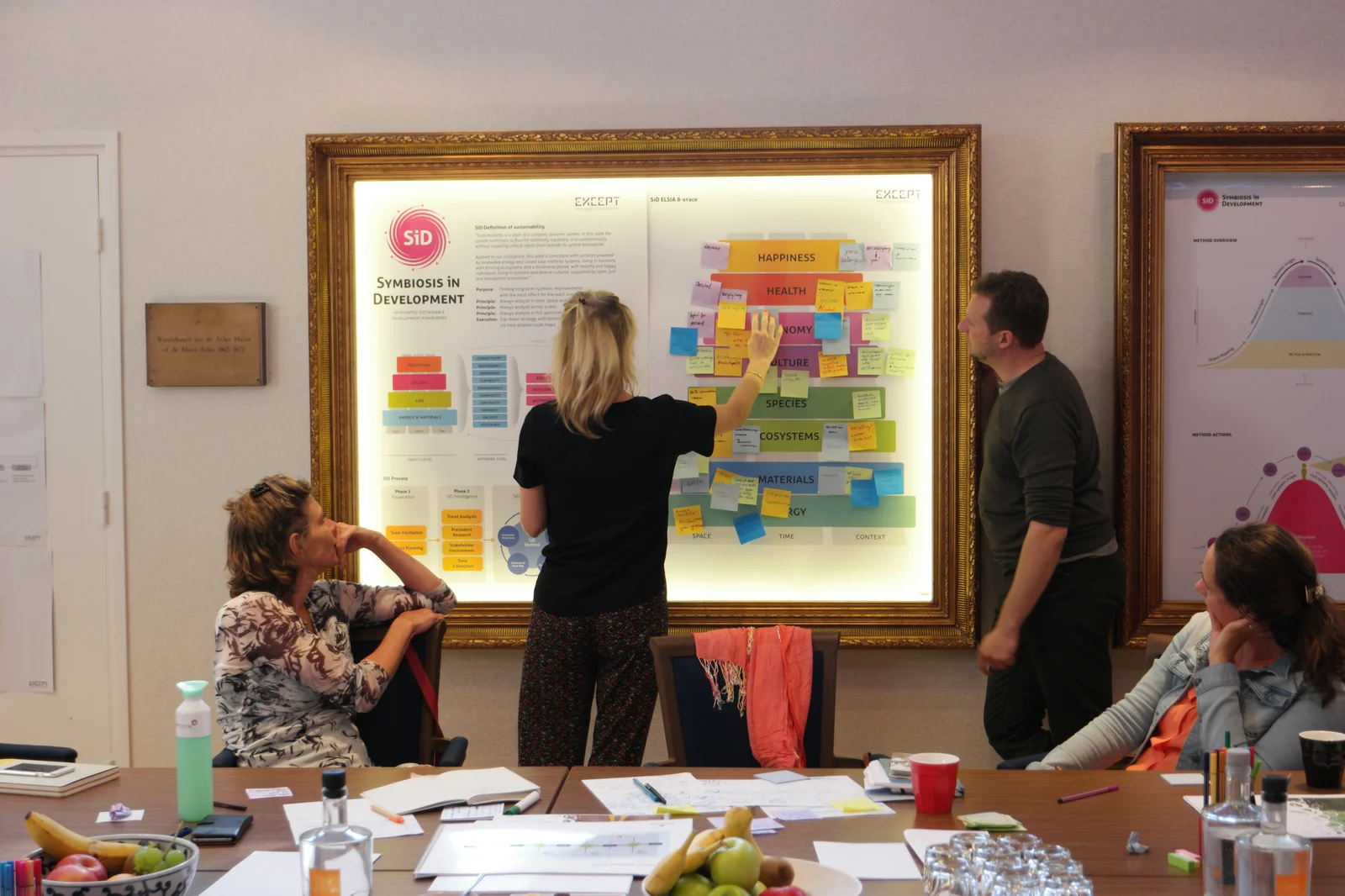
Heineken’s circular transition
100% circular is an aspiration most organizations cannot yet turn into a roadmap. What Heineken’s transition reveals about the sequencing decisions that determine whether a circular ambition becomes a circular operation.
Circularity has a problem. As a concept, it is intuitively compelling: design out waste, keep materials in use, regenerate rather than deplete. As an operational challenge, it is genuinely difficult, not because the engineering is impossible, but because circular operations require changes to multiple systems simultaneously, and those systems are owned and governed by different actors with different incentives and different time horizons.
Heineken’s 100% circular ambition confronted this directly. The goal was not incremental: not a percentage reduction in waste-to-landfill or a marginal improvement in recycling rates. The goal was systemic: redesign the material flows through the business so that inputs are renewable, outputs are recoverable, and the relationship between the company’s operations and the ecological systems they depend on is regenerative rather than extractive.
The question that immediately follows an ambition of this scale is: where do you start? Not what do you aspire to, but what do you actually do first, and second, and in what order, and why?
The sequencing problem
Circular transitions require decisions that conventional strategy processes handle poorly. The standard approach to a large strategic initiative is to define the end state, identify the gap between current and desired state, prioritize the gap-closing actions by cost and impact, and implement in order of priority. This works when the path from current to desired state is relatively linear, when actions can be taken independently, and when the end state is well-defined enough to specify what gap-closing means.
Circular transitions violate all three conditions. The path is not linear because circular systems require changes to infrastructure, supplier relationships, product design, and collection logistics that are deeply interdependent. You cannot redesign packaging without knowing what collection infrastructure will be available. You cannot develop collection infrastructure without knowing what volumes and formats the redesigned packaging will produce. You cannot commit to volumes and formats without agreements with the suppliers and customers who will handle them. The interdependencies mean that actions must be sequenced and coordinated rather than simply prioritized.
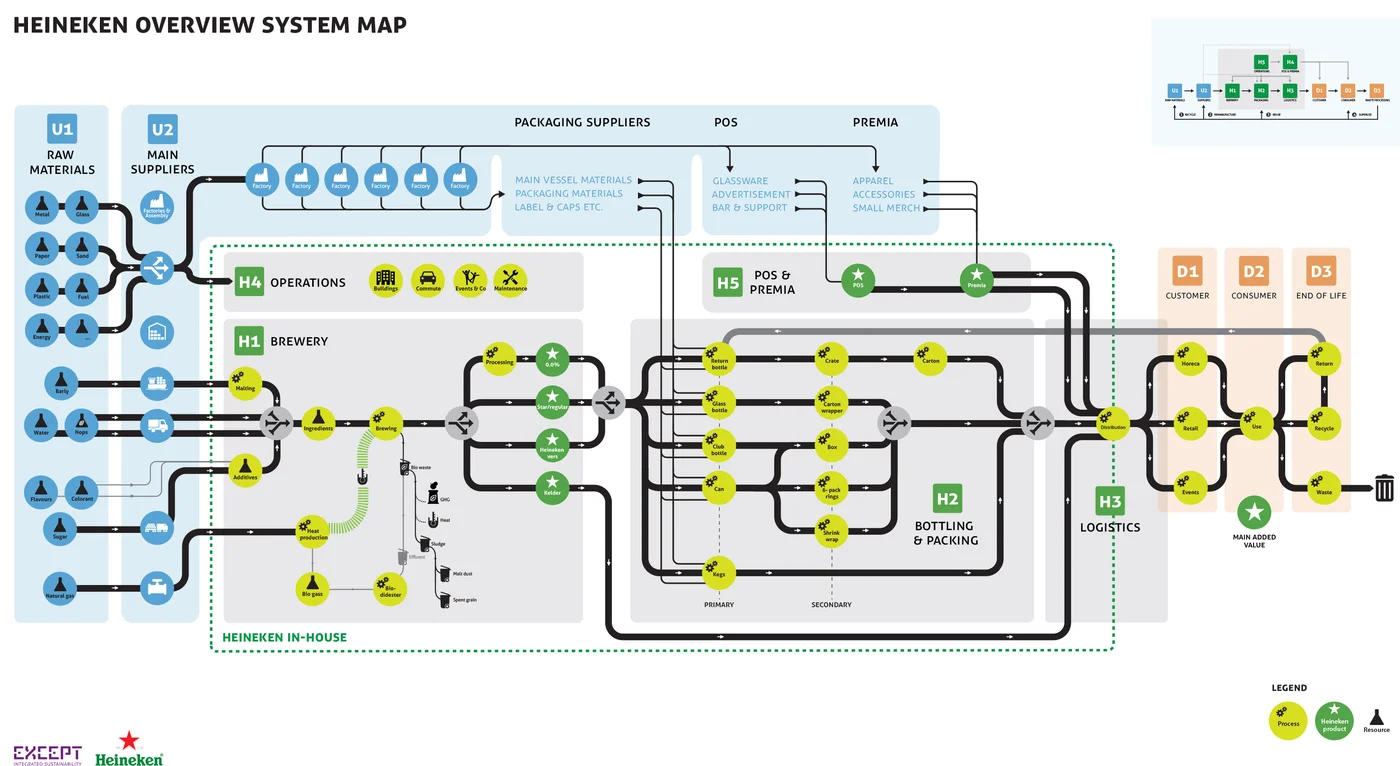
The systemic analysis that underpinned Heineken’s roadmap began not with the internal operations of the company but with the material systems those operations were embedded in. Where does glass go when it leaves a Heineken venue? What is the actual recovery rate, in which markets, through which channels? What would need to be true for that recovery rate to reach the level required to close the loop? And what is the bottleneck: consumer behavior, collection infrastructure, processing capacity, or regulatory environment?

Designing for what needs to change, not what you control
One of the most consistent findings in circular transition work is that the binding constraints are rarely inside the company. They are in the systems that surround it: the waste management infrastructure of the cities where products are consumed, the regulatory frameworks that govern extended producer responsibility, the technical standards that determine what counts as recyclable, the economics of secondary material markets.
This is both a complication and an opportunity. It is a complication because it means that no single organization can deliver a circular transition by itself. The transition requires coordinated action across the value chain and, in many cases, across industry sectors and regulatory jurisdictions. An organization that designs its circular strategy as if it were the sole actor will build a roadmap that cannot be executed, because critical elements of the system it depends on are outside its control.
It is an opportunity because organizations that understand this early can position themselves at the center of the coordination problem rather than being surprised by it. Heineken’s engagement produced not just an operational roadmap but a stakeholder strategy: a map of which actors controlled the binding constraints, what their interests were, and what forms of coordination and investment would be required to move the system as a whole.
From destination to path
The practical output of a circular transition roadmap is not a description of the end state. It is a specification of the path: which changes, in which sequence, governed by which decision rules, with which triggers for reassessment. The end state matters, but the path determines whether you get there.
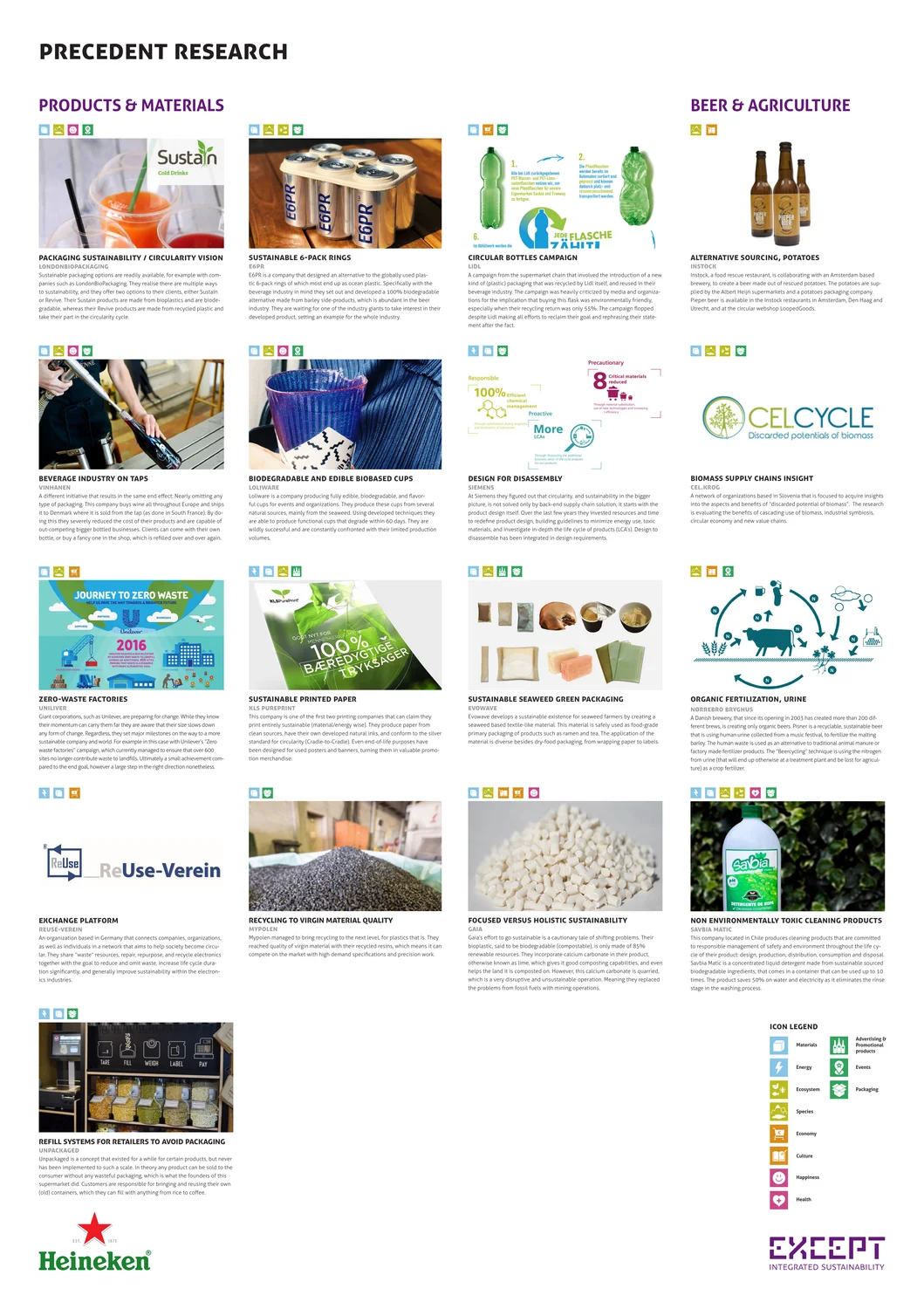
For Heineken, this meant identifying the near-term investments that would produce the most learning about the system, rather than simply the ones with the highest projected return. In the early stages of a circular transition, learning about how the system behaves is itself a strategic asset. An investment in a pilot recovery program, even if its direct economics are marginal, generates information about consumer behavior, logistics costs, and material quality that cannot be obtained any other way. That information changes what is possible in the next phase.
It also meant specifying the conditions under which the roadmap should be revised. A circular transition roadmap that does not build in explicit reassessment triggers is not a strategic plan; it is a set of aspirations with timelines attached. The triggers should be tied to the system indicators that matter: recovery rates, material quality, secondary market prices, regulatory developments. When those indicators cross defined thresholds, the decision authority and the decision criteria should be specified in advance.
This is what distinguishes a roadmap from a plan. A plan describes what you will do. A roadmap describes what you will do, under what conditions, governed by what decision rules, with what learning built in. The Heineken engagement produced the latter, and that is why it served as a foundation for action rather than a document that was consulted once and filed.